
A gastric bypass in Mexico can be a sound choice when a few things are settled before you travel: a bariatric (weight-loss) surgeon has explained why a bypass suits your health better than a sleeve or another option; you’ve checked that surgeon and the hospital; your written quote covers the hospital stay, follow-up and complications; and a bariatric program near home is ready to follow your vitamins, blood tests and checkups. You can arrange each of these before you pay a deposit.
A bypass changes the path food takes through your body, so your body may not absorb enough vitamins and minerals, and you’ll need supplements and blood tests for life (MedlinePlus; MedlinePlus, discharge). Your surgeon decides whether it’s right for you.
At a glance
- Price
- Below the U.S. range in Tijuana; see the price table
- The operation
- A small stomach pouch is joined to a lower part of the small intestine, mostly through small cuts; it’s difficult to reverse
- Hospital stay
- Most people stay 1 to 4 days
- Eating afterward
- Liquid or puréed food for 2 or 3 weeks, then soft foods, then regular food
- Flying home
- The Yellow Book of the Centers for Disease Control and Prevention advises against it for 10 days after abdominal surgery; your surgeon sets the date
- For life
- Vitamin and mineral supplements, blood tests and yearly visits with a bariatric specialist
Key takeaways
- Tell a bariatric surgeon about any heartburn, diabetes, earlier stomach surgery and the pain relievers you rely on, and ask whether a bypass or a sleeve suits you better, and why.
- Before you pay a deposit, get the name of the operation, the surgeon, the hospital nights, the follow-up visits and the plan for complications in writing.
- Stop smoking before surgery and stay off tobacco, and check with your surgeon before taking any anti-inflammatory pain reliever, such as ibuprofen.
- Line up a bariatric program, a dietitian and your first supply of vitamins near home, and settle a birth control plan if you could become pregnant.
- Wait for your surgeon’s go-ahead before you book the trip home, and travel with a companion to carry your bags and your records in English.
In this guide
- How a gastric bypass works
- Bypass or sleeve: why a surgeon may suggest a bypass
- Risks of a gastric bypass, and what you can do about each
- Dumping syndrome and low blood sugar after meals
- Alcohol, medicines and pregnancy after a bypass
- Vitamins, blood tests and eating after a bypass
- How much does a gastric bypass in Mexico cost?
- Planning the trip: the hospital stay, flying home and the border
- Questions to ask a surgeon about a gastric bypass
- Before you go: checklist
- Warning signs after a gastric bypass
- Frequently asked questions
- Sources
How a gastric bypass works
A gastric bypass, also called a Roux-en-Y gastric bypass, is done in three steps (NIDDK):
- A small pouch. Staples divide the stomach into a small upper pouch, about the size of a walnut, and a larger lower part (MedlinePlus) that is bypassed and no longer stores or digests food (ASMBS).
- The bypass. The small intestine is divided and its lower part attached to the pouch, so food travels from the pouch past most of the stomach and the upper part of the small intestine (NIDDK).
- The Y. The upper part of the intestine, carrying digestive juices from the bypassed stomach, is reconnected about 3 to 4 feet farther down (ASMBS), so the juices still reach your food and it can be fully digested (NIDDK). The Y-shaped join gives the operation its French name (ASMBS).
The result: you feel full sooner and eat less, your body absorbs fewer calories, and the new route changes hormones, gut bacteria and other substances that may affect appetite and metabolism (NIDDK).
The operation. A bypass takes about 2 to 4 hours under general anesthesia (MedlinePlus). Weight-loss surgery is mostly done laparoscopically (NIDDK); for a bypass, that means 4 to 6 small cuts and a tiny camera, and compared with open surgery, a shorter stay, quicker recovery, less pain, smaller scars and a lower risk of a hernia or infection (MedlinePlus). Open surgery may be needed if you have a high level of obesity, earlier stomach surgery or other complex medical problems (NIDDK). Most people stay in the hospital 1 to 4 days (MedlinePlus).
Can it be undone? A bypass is difficult to reverse, though a surgeon may reverse one if it’s medically necessary (NIDDK).
Bypass or sleeve: why a surgeon may suggest a bypass
Why it matters: each operation has its own advantages and potential drawbacks, and your bariatric surgeon reviews your health history and works with you to choose (ASMBS).
For the criteria updated in 2022, see who qualifies; for weight loss, reversal and other differences, see our sleeve and bypass comparison; a balloon, which involves no operation, is covered in gastric balloon in Mexico, and stitching the stomach smaller from the inside in endoscopic sleeve gastroplasty in Mexico. Here is how the two operations differ in three situations, as described by the American Society for Metabolic and Bariatric Surgery (ASMBS), a U.S. professional society:
| If this applies to you | What the sources say |
|---|---|
| You have reflux (heartburn) | A bypass helps reflux, and the symptoms often improve quickly, while a sleeve may worsen reflux or cause it for the first time (ASMBS) |
| You have type 2 diabetes | The bypass’s effect on hormones and metabolic health often improves adult-onset (type 2) diabetes, even before any weight is lost; a sleeve has less effect on metabolism (ASMBS) |
| You’ve had a sleeve | A sleeve may serve as a bridge to a later bypass (ASMBS), and earlier stomach surgery may mean an open operation (NIDDK) |
What a bypass asks of you in return:
- More deficiencies of vitamins and minerals than a sleeve or a band (ASMBS).
- No tobacco or anti-inflammatory pain relievers, such as ibuprofen and naproxen (ASMBS); see ulcers in the risks table. If you rely on them for arthritis or other pain, raise it early.
- More dumping syndrome, a set of symptoms after eating, than after other weight-loss operations (NIDDK).
- More follow-up procedures than after a sleeve (NIDDK).
How to check: at your first consultation, tell the surgeon about any heartburn and what you take for it, how your diabetes is treated, every operation you’ve had and any pain relievers you take regularly; if you’ve had a sleeve, bring its operative note, the surgeon’s record of the operation. Then ask which operation they recommend for you, and why.
Risks of a gastric bypass, and what you can do about each
Why it matters: gastric bypass is major surgery with many risks, some of them very serious, and knowing what lowers or catches each one is part of preparing (MedlinePlus).
Any operation under anesthesia can bring allergic reactions to medicines, breathing and heart problems, bleeding, blood clots and infections, and in a bypass the stomach, intestines or other organs can be injured (MedlinePlus); rarely, problems from weight-loss surgery can lead to death (NIDDK). Losing weight and bringing your blood sugar closer to normal before surgery may lower your chance of surgery-related problems (NIDDK).
| Risk | What it is | What you can do |
|---|---|---|
| Leaks | In the days or weeks after surgery, a small chance of food leaking from a stapled or sewn join, which can cause a serious infection inside the abdomen needing antibiotics (NHS; NIDDK) | Stay near your surgeon through the early recovery, know the warning signs, and put the plan for treating a leak in your quote |
| Blood clots | Clots can form in the legs and move to the lungs or heart (NIDDK); in the hospital, special stockings and shots of medicine help prevent them (MedlinePlus) | Move your legs often whenever you sit or lie down for long periods, which can help prevent clots in the legs (MedlinePlus); tell your surgeon every clot risk factor you have, and ask about injections to take home |
| Ulcers | Gastritis (an inflamed stomach lining), heartburn or stomach ulcers (MedlinePlus); ulcers are a risk especially with anti-inflammatory drugs or tobacco (ASMBS) | Stop smoking several weeks before surgery and don’t start again (MedlinePlus). MedlinePlus says aspirin, ibuprofen and some other medicines may harm the stomach lining or even cause ulcers, and advises talking with your provider before you take them (MedlinePlus). The ASMBS says bypass patients must avoid anti-inflammatory drugs such as ibuprofen and naproxen (ASMBS) |
| Narrowing, blockage or vomiting | The join between the pouch and the intestine can narrow (a stricture), which makes solid food hard to eat and can cause nausea, vomiting or trouble swallowing; instruments can widen it (NIDDK). Scarring inside the belly could block the bowel later, and eating more than the pouch holds can make you vomit (MedlinePlus) | Cut food small, chew it thoroughly and don’t drink during meals (NHS); see how eating changes |
| Bowel problems and hernias | Small-bowel complications and obstruction are a risk of a bypass (ASMBS); hernias can develop at an incision or inside the abdomen and can be repaired with surgery (NIDDK) | Treat severe belly pain as an emergency (see warning signs), and tell any doctor who examines you about every operation you’ve had (CDC Yellow Book) |
| Gallstones | They can form after rapid weight loss (NIDDK) | Ask whether you’ll go home with medicine to help prevent them, which some health professionals prescribe for about 6 months (NIDDK; MedlinePlus) |
How to check: ask your surgeon how many bypasses they perform, which of these risks matter most for you, and how each would be treated, where and by whom, including once you’re home. Agree on that plan with your doctor at home too (CDC Yellow Book), and see your plan if something goes wrong for coverage and getting home.
Dumping syndrome and low blood sugar after meals
Why it matters: some people with severe dumping syndrome may avoid eating to prevent symptoms, which can lead to weight loss and malnutrition, so it helps to know the signs and how it’s treated (NIDDK).
Dumping syndrome is a group of symptoms, such as diarrhea, nausea or feeling light-headed or tired after a meal, caused by food moving too quickly from the stomach into the small intestine (NIDDK); after a bypass, it happens especially after a meal rich in starches and sugars (MedlinePlus). It has two forms, and some people have both:
| Early dumping | Late dumping | |
|---|---|---|
| When | Within 30 minutes of a meal | 1 to 3 hours after a meal |
| What you may notice | Diarrhea, bloating, nausea, cramping, flushing, sweating, a fast heartbeat, light-headedness | Shakiness, sweating, weakness, tiredness, trouble concentrating, light-headedness |
| Why, as experts think | The gut releases more hormones than normal, and fluid moves from the bloodstream into the small intestine | Low blood sugar, because those hormones may make the pancreas produce too much insulin |
Source: the National Institute of Diabetes and Digestive and Kidney Diseases (NIDDK).
Changing how and what you eat comes first, and many people with dumping syndrome have mild symptoms that improve over time with simple changes. Your doctor may recommend six small meals a day, waiting at least 30 minutes after a meal to drink, lying down for 30 minutes after eating, more protein, fiber and fat, fewer simple sugars such as candy, and avoiding milk products. If that doesn’t help, medicines are an option, and in some cases surgery, though it doesn’t always work. Experts haven’t found a way to prevent dumping syndrome, but if you have it, these changes may prevent future symptoms (NIDDK).
How to check: before surgery, ask your dietitian which foods and drinks to limit and what to do if symptoms start. Afterward, note what you ate when symptoms appear, tell your team rather than skipping meals, and contact your provider if you feel dizzy or start sweating (MedlinePlus).
Alcohol, medicines and pregnancy after a bypass
Why it matters: a bypass changes how your body handles alcohol and some medicines, and a pregnancy needs timing and birth control planned before surgery.
Alcohol
Alcohol reaches your bloodstream faster after surgery and stays at higher levels for longer (ASMBS), and you won’t tolerate as much as before (MedlinePlus). Weight-loss surgery, especially a bypass, may change how your body absorbs and breaks down alcohol and may lead to more alcohol-related problems, some research suggests (NIDDK). The precautions: avoid alcohol while you’re losing weight rapidly, then drink only rarely; remember that small amounts can make you drunk and you may feel less drunk than you are; don’t drive after any alcohol; and seek help if drinking becomes a problem (ASMBS FAQ).
Medicines
In general, medicines taken by mouth are absorbed less well after weight-loss surgery, though the effect depends on the medicine and the operation, according to UK guidance for health professionals from England’s National Health Service (NHS). It prefers immediate-release forms to extended-release or coated tablets where possible, since a delay in release may reduce absorption, and calls for case-by-case changes with frequent monitoring (NHS Specialist Pharmacy Service). Some medicines may switch to liquid or chewable forms for a while, doses may need adjusting, and many patients have some medicines reduced or stopped by their doctor and surgeon (ASMBS).
Pregnancy and birth control
Waiting 12 to 18 months after surgery before a pregnancy is what most groups advise (ASMBS FAQ), giving your weight time to reach its lowest point and your nutrition time to become adequate (ASMBS). Fertility rises too: most patients who could become pregnant are much more fertile after surgery, even with moderate weight loss. Birth control pills aren’t very reliable while your weight is changing, so an intrauterine device (IUD), or condoms and spermicide every time, is needed during that period (ASMBS FAQ). Folate (folic acid) needs particular attention if you could become pregnant (ASMBS 2016).
How to check: before surgery, settle a birth control method with your doctor if you could become pregnant. Give your surgeon, your doctor at home and your pharmacist a full list of what you take, including over-the-counter medicines and supplements, and ask which will change and who will check them; don’t change a dose or form on your own.
Vitamins, blood tests and eating after a bypass
Why it matters: food no longer passes through parts of the small intestine that absorb nutrients, so supplements and blood tests are for life, not only while you lose weight (MedlinePlus; MedlinePlus, discharge).
Supplements and blood tests
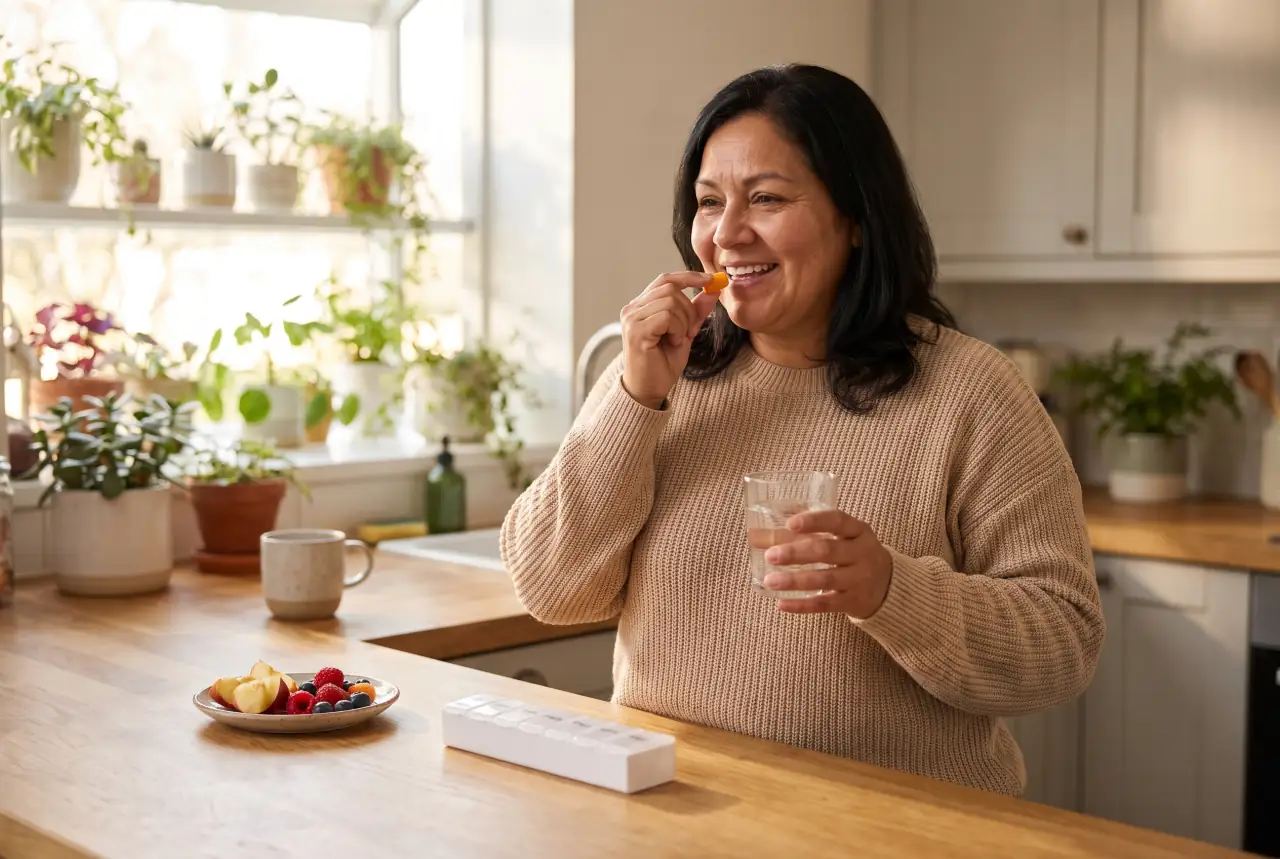
You’ll take a multivitamin with iron, vitamin B12, and calcium with vitamin D for life, and possibly other supplements (MedlinePlus), in amounts your program sets (ASMBS). Calcium goes in 2 or 3 doses a day, because the body can absorb only about 500 mg at a time (MedlinePlus), and iron should be taken separately from calcium supplements and acid-reducing medicines (ASMBS 2016). Low levels can cause problems such as anemia, bone and muscle loss and loss of nerve function, which regular monitoring and your diet and supplement plan can prevent (ASMBS FAQ).
In the ASMBS’s 2016 nutrition guidelines, routine blood tests after a bypass include iron, vitamin B12, folate and vitamin D, with zinc and copper at least yearly and vitamin A within the first year; thiamin (vitamin B1) needs watching if you vomit persistently, lose weight very fast or drink heavily (ASMBS 2016). The testing schedule is in life after a gastric sleeve.
For a sense of scale, iron deficiency is reported in 20% to 55% of patients from 3 months to 10 years after a bypass, against under 18% after a sleeve, and zinc deficiency in 40% after a bypass (ASMBS 2016). Group figures like these can’t predict your own levels; your blood tests show them.
How eating changes
You won’t eat for the first 1 to 3 days in the hospital (MedlinePlus). For 2 or 3 weeks after surgery you’ll have only liquid or puréed food, then soft foods, then regular food. At first a few bites fill you, because the pouch holds only about a tablespoon; even as it gets slightly larger over time, it won’t hold more than about 1 cup of chewed food. Habits that help, and why (MedlinePlus):
- Chew until smooth: the opening from the pouch to the intestine is very small, and food that isn’t chewed well can block it.
- Take your time: at least 20 to 30 minutes a meal; vomiting or pain under the breastbone may mean you’re eating too fast.
- Eat 6 small meals a day, stopping when you feel satisfied but not too full.
- Drink between meals: take small sips, and drink nothing while you eat or for 30 minutes after, because liquid fills you up and can crowd out healthy food or make it easier to overeat. MedlinePlus says you’ll need up to 8 cups (2 liters) of water or other calorie-free liquids a day. The ASMBS says 64 ounces (8 cups) of fluid or more, to avoid nausea, kidney problems, constipation and fatigue (ASMBS); ask your program for your daily amount.
- Prioritize protein: it may be the most important food early on, because your body needs it to build tissue and heal; most bariatric programs recommend 60 to 100 grams a day, and too little can cause weakness and muscle loss (ASMBS).
While the weight comes off quickly, over the first 3 to 6 months, you may have body aches, feel tired and cold, and notice dry skin, mood changes and thinning hair; these should go away as you take in more protein and calories (MedlinePlus). After your first checkups, you’ll see your surgeon several more times in the first year and may also see a dietitian and a psychologist (MedlinePlus), then a bariatric specialist yearly for life (ASMBS).
How to check: before you travel, get your supplement list, doses and a first supply. Near home, book your first blood tests, a registered dietitian and a bariatric program that will see you after surgery elsewhere, using the steps in line up your care team at home.
How much does a gastric bypass in Mexico cost?
Why it matters: a bypass quote compares fairly only once you know which operation, nights and follow-up it covers, and what you’ll keep paying for at home.
| Procedure | Tijuana (USD) | United States (USD) |
|---|---|---|
| Gastric bypass | $5,500 – $10,000 | $17,000 – $35,000 |
Uriym’s indicative ranges from its bariatric price catalog, reviewed September 7, 2026. They are not quotes and cover the listed treatment only, without taxes, travel or third-party charges.
Some costs last for life: insurance almost never pays for vitamin and mineral supplements, though it usually pays for the blood tests (ASMBS FAQ). If you have Medicare, gastric bypass is among the bariatric procedures it covers under Part B when you meet certain conditions related to morbid obesity (Medicare.gov). Whether U.S. plans pay toward care in Mexico is covered in does Medicare cover care in Mexico.
How to check: ask each clinic for a written, itemized quote, using the general lines in what a gastric sleeve quote should include. For a bypass, also ask:
| Line | What to ask |
|---|---|
| The operation | Does the quote name a Roux-en-Y gastric bypass, the operation this guide describes? If it names another kind of bypass, how does it differ, and why is it suggested for you? |
| Take-home injections | Are blood-thinner injections included, and for how long? |
| Follow-up | Where is the first checkup, is follow-up at the same facility as the operation (CDC Yellow Book), and who removes stitches or staples? |
| Complications later | If a leak, blockage or hernia is found after you’re home, what happens, where, and who pays? |
Before you pay a deposit, check the surgeon on the quote with the council directory and license lookups in how to check a bariatric surgeon in Mexico, and the hospital with checking a clinic’s health license. For flights, recovery nights and time off, see travel and recovery costs to add.
Planning the trip: the hospital stay, flying home and the border
Why it matters: your surgeon’s go-ahead, your first checkups and any injections you go home with decide how long you stay near the hospital and how you travel.
How long you stay is your surgeon’s decision, and the official sources we checked give no set number of days. These milestones shape it:
- Leaving the hospital. You can go home once you can eat liquid or puréed food without vomiting, move around without much pain and no longer need pain medicine by vein or injection (MedlinePlus).
- Injections. You may need to give yourself blood-thinner shots under the skin for 1 or more weeks to prevent a clot (MedlinePlus); to carry them across the border, see medicine prescribed after a procedure in Mexico.
- First checkups. A follow-up with your surgeon is likely within 1 to 2 weeks, and stitches or staples come out about 7 to 10 days after surgery unless they dissolve (MedlinePlus); ask which must happen in Mexico.
- Flying. Medical travelers should not fly for 10 days after chest or abdominal surgery, because of changes in air pressure, according to the Yellow Book of the U.S. Centers for Disease Control and Prevention (CDC) (CDC Yellow Book). Your surgeon sets your date; the notes for weight-loss surgery compare other published waits.
- Lifting and driving. Don’t lift more than 10 to 15 pounds until you see your provider, and don’t drive while you’re taking narcotic pain medicine (MedlinePlus). Bring someone to carry bags and drive, and if you’ll cross on foot, see crossing back after a procedure.
- Rest. Being active soon after surgery helps you recover more quickly (MedlinePlus), but drinking, strenuous exercise, sunbathing, swimming or long tours can delay or impede healing (CDC Yellow Book).
- Records. Leave with English copies of your records, including the operative note, and share them with every health professional who treats you later (CDC Yellow Book).
How to check: before buying a ticket home, get four answers from your surgeon: your expected nights in the hospital, the dates of your first checkup and stitch removal, which medicines and injections you’ll carry, and the earliest day you can travel. Then buy tickets you can change.
Questions to ask a surgeon about a gastric bypass
- Why a bypass rather than a sleeve for me, and will the operation be laparoscopic or open?
- How would a leak, a blockage or a hernia be treated after I’m home, and who pays?
- Which of my medicines need a new form or dose, and what can I take for pain?
- Which supplements and blood tests will I need, and how often?
- When are my first checkup and stitch removal, and when can I fly or ride home?
- Will I leave with my operative note, discharge instructions and test results in English?
Before you go: checklist
- Plan talked through with your doctor at home, and your medical history shared with the surgeon
- Reasons for a bypass rather than a sleeve discussed, including reflux, diabetes and earlier operations
- Surgeon’s certification and licenses checked, and the hospital’s health license seen
- Itemized quote naming the operation, with the plan for complications
- Smoking stopped, with a plan to stay off tobacco
- Medicines and pain relief reviewed with your surgeon, doctor and pharmacist
- Birth control chosen, if you could become pregnant
- Bariatric program, dietitian, first blood tests and a supply of supplements lined up near home
- Flexible travel booked, with a companion to carry bags and drive
- Records in English requested: operative note, discharge instructions, test results and medicines
- Warning signs read, and your surgeon’s contact details saved
Warning signs after a gastric bypass
In an emergency, call 911, which works in the U.S. and Mexico, then tell your surgeon. Read these signs before you travel, and keep them with your discharge instructions.
| What you notice | What to do |
|---|---|
| Shortness of breath that starts suddenly; chest pain, which often gets worse when you breathe deeply; a fast heartbeat; a sudden cough, possibly bringing up blood or bloody mucus; or dizziness, light-headedness or fainting | These can be signs of a blood clot in the lungs (pulmonary embolism): go to the emergency room or call 911 (MedlinePlus) |
| Severe belly pain; vomiting blood or poop, or vomit that looks like coffee grounds or soil; bleeding from your bottom that won’t stop; or a lot of blood, such as red toilet water or large clots | Call 911 or go to the emergency room (NHS, adapted; see the note) |
| Pain your pain medicine isn’t helping, a temperature above 100°F (37.7°C) for more than 4 hours, a cough that won’t go away, trouble drinking the recommended amount of fluids, being unable to eat or drink, vomiting after eating, or diarrhea | Contact your surgeon (MedlinePlus) |
| More redness, pain, warmth, swelling or bleeding at an incision; drainage that’s thick, tan or yellow and smells bad; or yellowing of your skin or the whites of your eyes | Contact your surgeon (MedlinePlus) |
| A leg that starts to swell | Contact your surgeon (MedlinePlus); warning signs of a blood clot lists the others |
| Dizziness or sweating, diarrhea most days, or feeling tired all the time | Contact your provider (MedlinePlus) |
The NHS lists the signs in the second row, after weight-loss surgery, under calling 999 or going to A&E, the UK’s emergency number and emergency department; here they appear as 911 and the emergency room.
If you think a complication has started, on the trip or weeks later at home, don’t wait to see whether it passes: getting care quickly can lead to earlier diagnosis and treatment, and a better outcome (CDC Yellow Book). Tell whoever treats you about the bypass, where and when, and show your operative note.
Frequently asked questions
How much does a gastric bypass cost in Mexico?
Uriym’s indicative range for a gastric bypass in Tijuana is $5,500 to $10,000, compared with $17,000 to $35,000 in the U.S. These ranges are indicative, not quotes. Your own price depends on the operation, the hospital nights and how much follow-up the quote covers, and supplements and blood tests continue for life, so ask for an itemized quote; the lines to ask about are in what a bypass costs.
Is gastric bypass better than gastric sleeve?
Neither suits everyone, and your surgeon recommends one based on your health. A bypass helps reflux, and its effect on hormones often improves adult-onset (type 2) diabetes, even before weight is lost; it also brings more vitamin and mineral deficiencies than a sleeve, and you must avoid tobacco and anti-inflammatory pain relievers afterward (ASMBS). See why a surgeon may suggest a bypass and the sleeve and bypass comparison.
Can a gastric bypass be reversed?
It’s difficult, although a surgeon may reverse a bypass if it’s medically necessary (NIDDK). The larger part of the stomach is divided off and bypassed rather than removed, and it no longer stores or digests food (MedlinePlus; ASMBS). Decide as if the change is long term, with supplements, blood tests and follow-up visits for life; how a gastric bypass works explains the operation.
How long do you have to stay in Mexico after a gastric bypass?
That’s your surgeon’s call; the official sources we checked set no number of days. Most people spend 1 to 4 days in the hospital (MedlinePlus), a first follow-up is likely within 1 to 2 weeks (MedlinePlus, discharge), and flying isn’t advised for 10 days after chest or abdominal surgery (CDC Yellow Book). Ask which checkups must happen in Mexico, and see planning the trip.
What is dumping syndrome after gastric bypass?
It’s a group of symptoms caused by food moving too quickly from the stomach into the small intestine, and it’s more common after a bypass than after other weight-loss operations (NIDDK). Early dumping, within 30 minutes of eating, can bring diarrhea, cramping, nausea, flushing or a fast heartbeat. Late dumping, 1 to 3 hours after a meal, comes from low blood sugar and can cause shakiness, sweating and weakness. Changing how and what you eat is the first treatment; see dumping syndrome and low blood sugar.
Can you drink alcohol after gastric bypass?
Only with care. The advice is to avoid alcohol while you’re losing weight rapidly and then drink only rarely; even small amounts can make you drunk, you may feel less drunk than you are, and you shouldn’t drive after any alcohol (ASMBS FAQ). Alcohol is absorbed more quickly after surgery and stays at higher levels for longer (ASMBS). See alcohol, medicines and pregnancy.
How long after gastric bypass can you get pregnant?
Waiting 12 to 18 months after surgery is what most groups advise (ASMBS FAQ), while your weight falls to its lowest point and your nutrition becomes adequate (ASMBS). Most patients who could become pregnant are much more fertile after surgery, and birth control pills aren’t very reliable while weight is changing, so plan your birth control before surgery; an intrauterine device, or condoms and spermicide every time, is needed for that period (ASMBS FAQ). Ask your bariatric program about folate too.
Is it safe to get gastric bypass surgery in Mexico?
It can be a sound plan when the checks you make before paying hold up: whether a bypass suits your health, the surgeon’s certification and experience, the hospital, and your plans for complications and follow-up at home. Complications can occur regardless of where treatment is received (CDC Yellow Book); risks and what to do pairs each bypass risk with a step you can take. For the travel advisory and what to do if something goes wrong, see whether surgery in Mexico is safe.
Sources
- Types of Weight-loss Surgery National Institute of Diabetes and Digestive and Kidney Diseases (NIDDK)
- Weight-loss Surgery Side Effects National Institute of Diabetes and Digestive and Kidney Diseases (NIDDK)
- Dumping Syndrome (all sections) National Institute of Diabetes and Digestive and Kidney Diseases (NIDDK)
- Gastric bypass surgery MedlinePlus, U.S. National Library of Medicine
- Gastric bypass surgery - discharge MedlinePlus, U.S. National Library of Medicine
- Your diet after gastric bypass surgery MedlinePlus, U.S. National Library of Medicine
- Pulmonary embolus MedlinePlus, U.S. National Library of Medicine
- Bariatric Surgery Procedures American Society for Metabolic and Bariatric Surgery
- Life After Bariatric Surgery American Society for Metabolic and Bariatric Surgery
- FAQs of Bariatric Surgery American Society for Metabolic and Bariatric Surgery
- ASMBS Integrated Health Nutritional Guidelines for the Surgical Weight Loss Patient 2016 Update: Micronutrients American Society for Metabolic and Bariatric Surgery (Surgery for Obesity and Related Diseases)
- Medical Tourism (CDC Yellow Book 2026) U.S. Centers for Disease Control and Prevention
- Complications of weight loss surgery NHS
- Considerations for using medicines following bariatric surgery NHS Specialist Pharmacy Service (SPS)
- Bariatric surgery coverage Medicare.gov
About this guide
The Uriym editorial team researched this guide from the 15 sources above, drafted it with AI assistance, and checked it claim by claim against those sources before publishing, last on . Our editorial standards explain how we choose sources, handle prices and make corrections.
Uriym is a healthcare navigation platform, not a medical provider. Its founder, Adriana Mendez, grew up in a family that traveled to Mexico for care and has done it herself for the past ten years. How Uriym works
This is general information, not medical, legal or financial advice: your treating provider decides what care is right for you. Rules, prices and advisories change, so check the official page before you act. Found something wrong or out of date? Email support@uriym.com.